• Stay Informed
  • Fire Safety Info
  • Contact
logo

Arcola Volunteer

Fire Department

  • About
    • Overview
    • Audit & Financials
    • History
    • LCFR System
    • Mission & Values
    • People
    • Vision
    • Our Chaplains
    • Scouting
    • Contact Us
  • Fleet
    • Fire
    • EMS
    • Support Services
    • Administration
    • Previously Owned
  • Join
    • Types of Membership
    • Get Started
  • News
    • Featured News
    • Photos
  • Events
  • Donate
  • Store

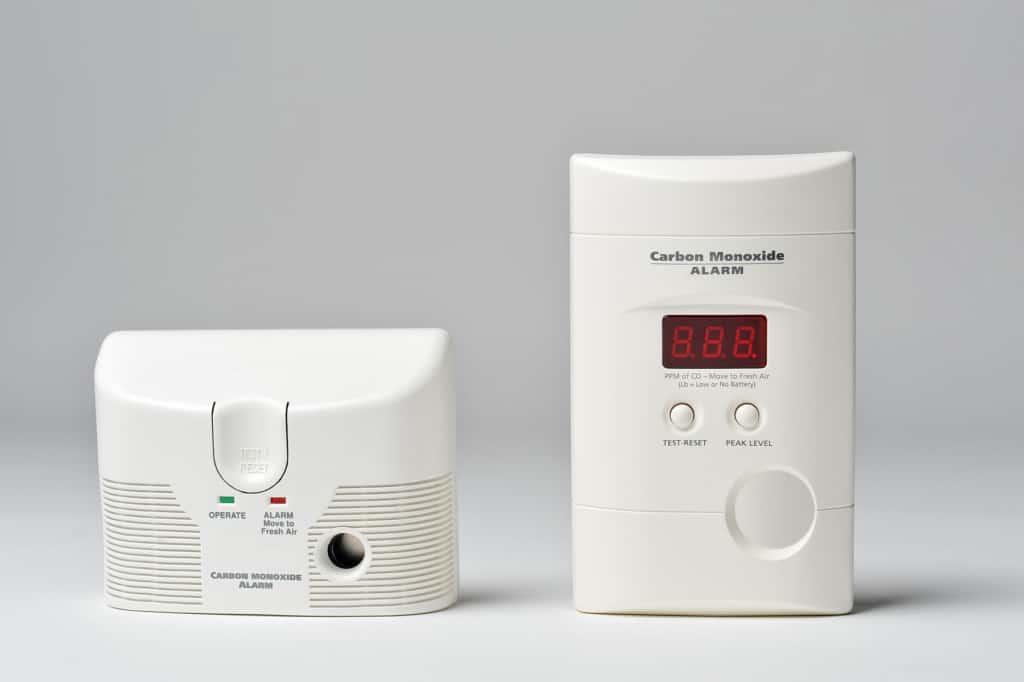
Although the popularity of carbon monoxide (CO) alarms has been growing in recent years, it cannot be assumed that everyone is familiar with the hazards of carbon monoxide poisoning in the home.

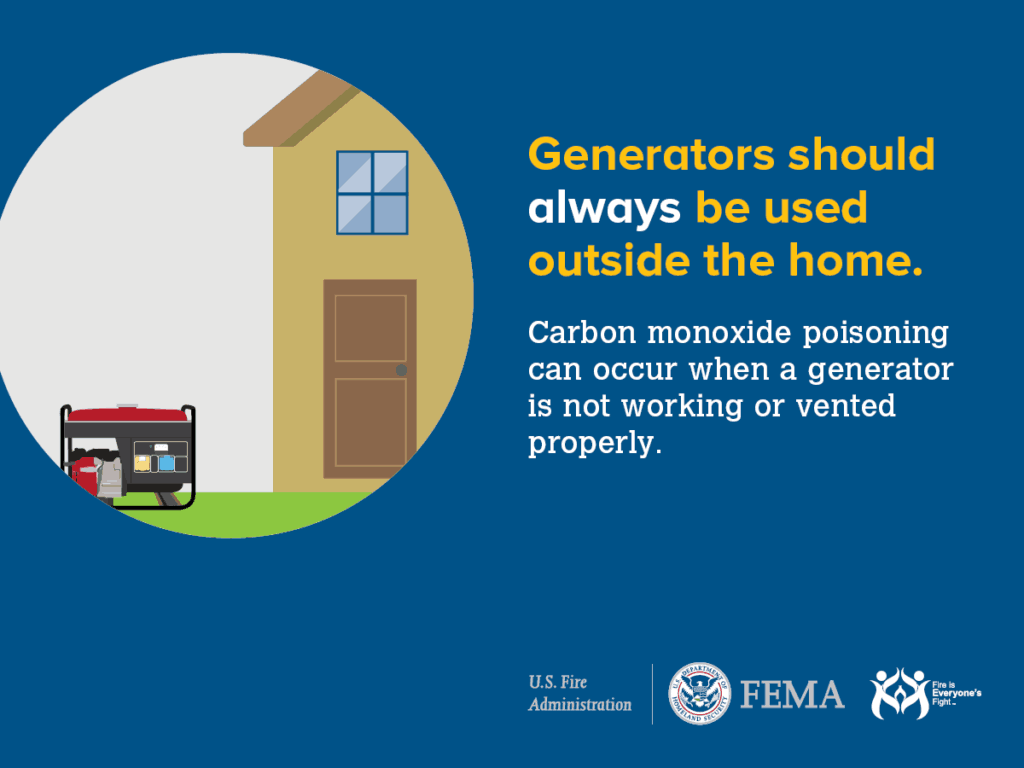
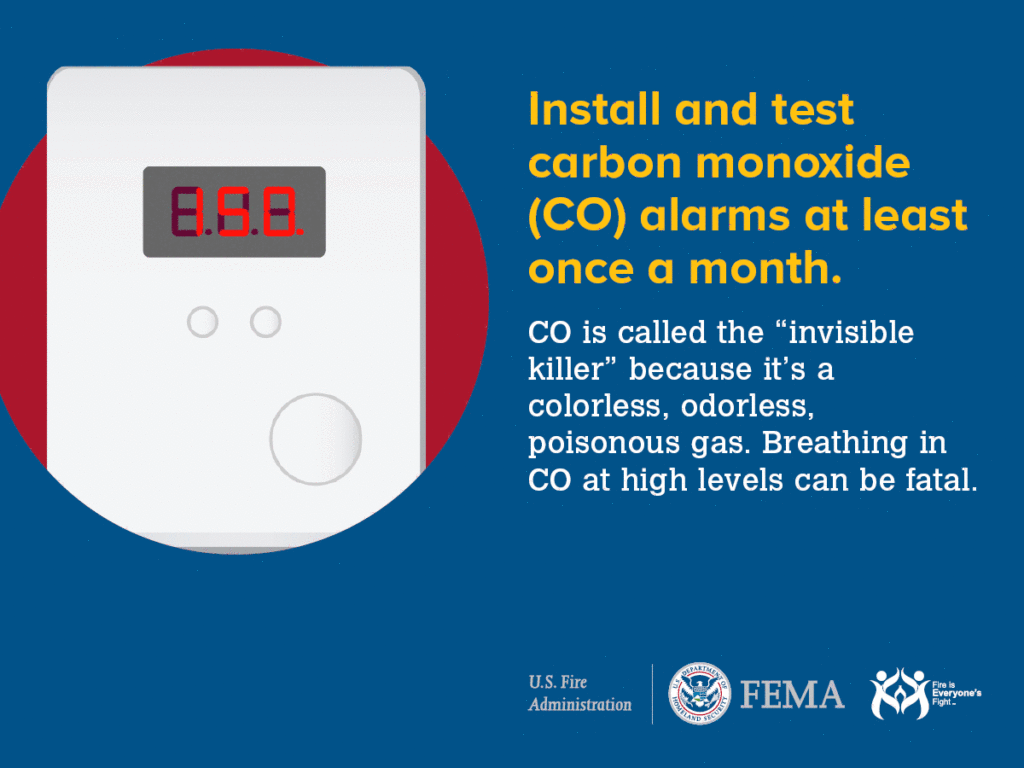
Often called the invisible killer, carbon monoxide is an odorless, colorless gas created when fuels (such as gasoline, wood, coal, natural gas, propane, oil, and methane) burn incompletely. In the home, heating and cooking equipment that burn fuel are potential sources of carbon monoxide. Vehicles or generators running in an attached garage can also produce dangerous levels of carbon monoxide.
Carbon Monoxide Facts and Stats

  • The dangers of CO exposure depend on a number of variables, including the victim’s health and activity level. Infants, pregnant women, and people with physical conditions that limit their body’s ability to use oxygen (i.e. emphysema, asthma, heart disease) can be more severely affected by lower concentrations of CO than healthy adults would be.
  • A person can be poisoned by a small amount of CO over a longer period of time or by a large amount of CO over a shorter amount of time.
  • In 2010, U.S. fire departments responded to an estimated 80,100 non-fire CO incidents in which carbon monoxide was found, or an average of nine such calls per hour.  The number of incidents increased 96 % from 40,900 incidents reported in 2003. This increase is most likely due to the increased use of CO detectors, which alert people to the presence of CO.

Downloadable Resources

  • Portable Generators and Winter Storms: Tips
  • Carbon Monoxide Safety: Did you know?

Know the Symptoms of Carbon Monoxide Poisoning

Because CO is odorless, colorless, and otherwise undetectable to the human senses, people may not know that they are being exposed. The initial symptoms of low to moderate CO poisoning are similar to the flu (but without the fever). They include:

  • Headache
  • Fatigue
  • Shortness of breath
  • Nausea
  • Dizziness

Quick Tips on Carbon Monoxide Safety

Share these graphics with your family and friends! We encourage you to print these and also share on social media.

Source for Content: National Fire Protection Association and U.S. Fire Administration

Fire Safety Info

  • Featured Topics
  • Seasonal Topics
  • Topics By Audience
  • More Topics

Arcola News

Firehouse Santa returns to Arcola VFD’s Annex for North Pole 9

Arcola Volunteer Fire Department Open House

Discover How You Can Serve at Our Monthly Interest Meeting

Join us for our Open House 2024 at Station 9

Arcola Volunteer Fire Department

23675 Belmont Ridge Road, Suite 100 Brambleton, Virginia 20148

  • About
    • Overview
    • Audit & Financials
    • History
    • LCFR System
    • Mission & Values
    • People
    • Vision
    • Our Chaplains
    • Scouting
    • Contact Us
  • Fleet
    • Fire
    • EMS
    • Support Services
    • Administration
    • Previously Owned
  • Join
    • Types of Membership
    • Get Started
  • News
    • Featured News
    • Photos
  • Events
  • Donate
  • Store
Phone
Emergency: 911
Non-Emergency: 571-258-3709


MEMBERS EMAIL

All content, including all images and photography except as specifically noted.
Copyright Arcola Volunteer Fire Department

  • Home
  • About
  • Fleet
  • News
  • Donate
  • Store
  • Stay Informed
  • Fire Safety Info
  • Contact
ResponderMax Websites, Marketing & Management for Public Safety and Beyond